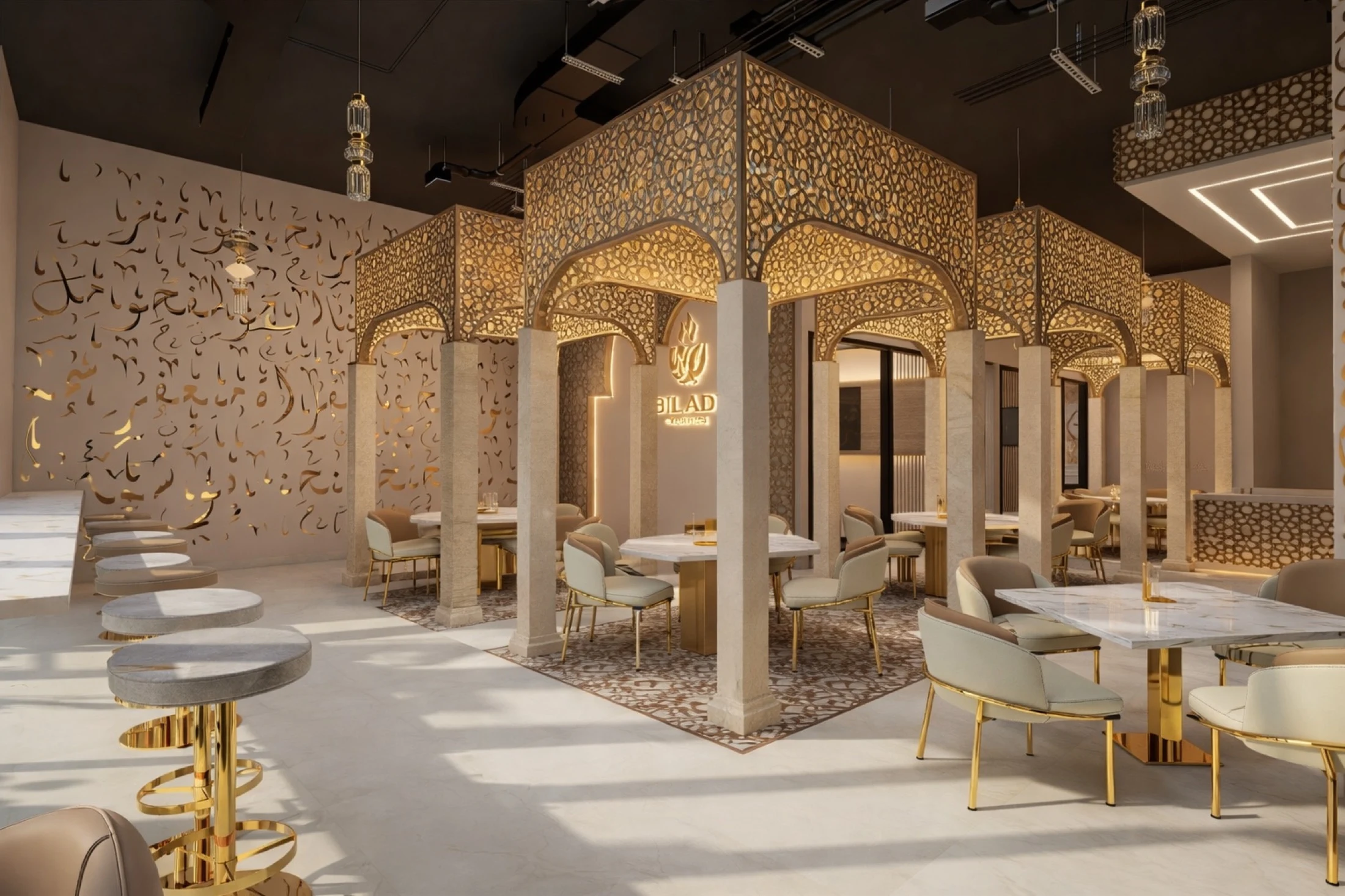
May 12, 2026 · By SP Fabrication
Custom Built-Ins vs Freestanding Furniture: When Millwork Makes More Sense
The decision between custom built-in millwork and freestanding furniture shapes a room permanently. Here is how to think through it before you commit.
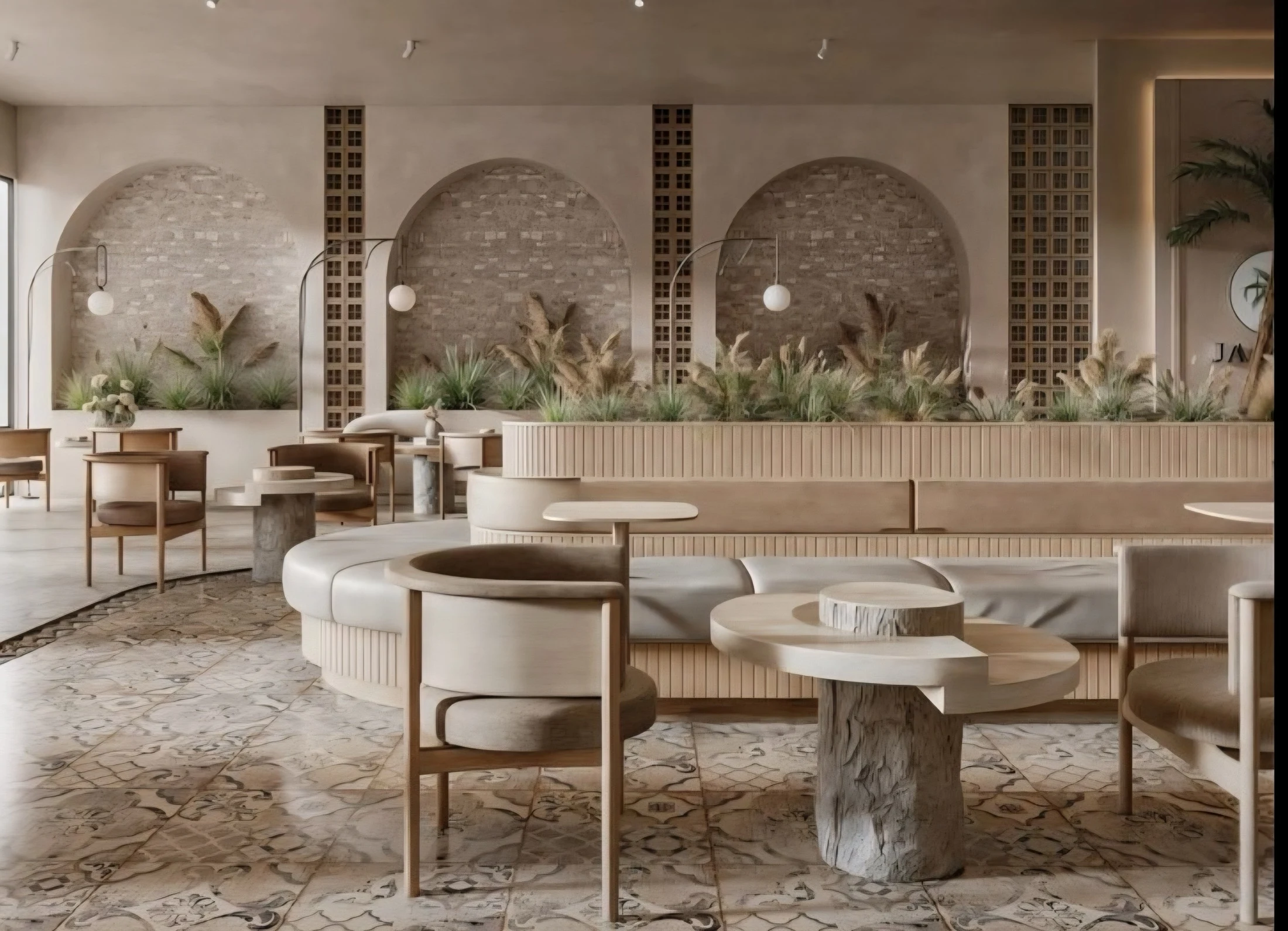
The question comes up in almost every design consultation we have: should this be a freestanding piece or a built-in? It is the right question to ask, and the answer is almost never obvious.
What Built-Ins Do Well
Custom built-in millwork excels in three situations:
Maximising unusable space. Awkward alcoves, the wall beside a fireplace, the ceiling-height wall in a library — these spaces cannot be filled efficiently with freestanding furniture. A built-in that runs floor-to-ceiling and wall-to-wall uses the space with a precision that no catalogue piece can match.
Creating architectural weight. A room with well-executed built-in cabinetry has a finished, permanent quality that freestanding furniture cannot replicate. The built-in becomes part of the architecture of the room, not an object placed within it.
Concealing mechanicals. Built-in media walls, home office units, and bedroom wardrobes can integrate cable management, power, HVAC vents, and speaker systems in ways that freestanding furniture cannot. The result is a clean, uncluttered surface that reads as calm and controlled.
What Freestanding Furniture Does Better
Freestanding pieces have a different set of strengths:
Flexibility. You can move them, sell them, take them to your next house. Built-ins, by definition, stay behind. If you are uncertain about how long you will occupy a space — or whether you might want to reconfigure the room in five years — freestanding furniture preserves your options.
Lower cost per piece. A single well-chosen sideboard or bookcase, properly proportioned for a room, will almost always cost less than the built-in equivalent. The built-in earns its cost through space efficiency and architectural integration — if the room does not need those things, the cost premium is harder to justify.
Visible craftsmanship. A beautiful freestanding piece — a hand-dovetailed dresser, a sculptural console table, an heirloom dining table — is a three-dimensional object that rewards close attention. Built-ins, however exquisitely made, are typically seen at a distance and read as architecture rather than furniture.
The Hybrid Approach
The most successful rooms we have worked on often use both. A bedroom might have built-in wardrobes on one wall and a freestanding bed with a bedside cabinet on the opposite side — the built-ins provide storage and architectural weight; the freestanding pieces provide warmth, individuality, and the sense that the room has been curated rather than installed.
A home office might have a built-in library wall and a freestanding partner desk in the centre of the room. The library wall anchors the space and provides storage; the desk is a beautiful object that earns its place as the focal point.
The Decision Framework
When clients ask us which way to go, we ask three questions:
- Is this space likely to remain in its current configuration for ten or more years?
- Is there unusable space — awkward dimensions, low ceilings at the perimeter, alcoves — that only a built-in can address?
- Does the room need more architectural weight, or does it need more warmth and personality?
If the answer to the first two questions is yes and the room needs architectural weight, built-ins are usually the right call. If the room already has strong bones and the need is for warmth and character, a significant freestanding piece — a dining table with real presence, a sofa with an unforgettable silhouette — will almost always be more satisfying.
We are happy to walk through this decision for any space you are working on. Bring us the floor plan and the brief, and we will tell you honestly which direction we think will serve the room best.